
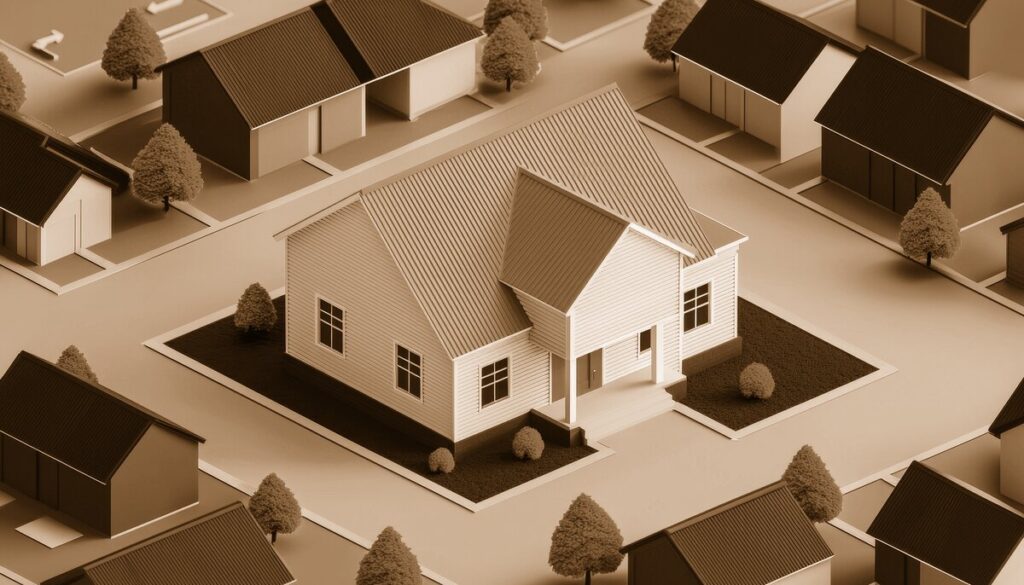
Nestled northwest of downtown, between the serene waters of the Middle River and the bustling activity of Sunrise Boulevard, lies one of Fort Lauderdale’s most storied neighborhoods: Lauderdale Manors. Though time has brought change to every corner of this friendly community, its legacy of resilience, camaraderie, and cultural richness remains a point of pride for residents old and new. Let's take a journey through the remarkable story of Lauderdale Manors, from its inception in the mid-20th century to the vibrant neighborhood it is today.
The Origins of Lauderdale Manors
Lauderdale Manors traces its beginnings back to the post-World War II era, a time of explosive growth in South Florida. The 1940s and 50s brought waves of GIs returning home and seeking an affordable, family-friendly place to settle. Developers looked to the then-undeveloped land northwest of Fort Lauderdale’s city center. The area was covered with pine scrub and palmetto, crisscrossed by the New River Canal, and poised for transformation.
The neighborhood’s name comes from its proximity to the city and its intended role as a “manor” or homestead for the working- and middle-class families who first called it home. Streets echo this legacy, with names like NW 13th Street and NW 21st Avenue becoming familiar thoroughfares for generations.
Key Historical Milestones
As Lauderdale Manors took shape in the 1950s, it quickly became a symbol of opportunity. Modest but comfortable houses sprang up along roads that were often just packed dirt. In those early years, community life revolved around neighbors gathering on porches, children playing at vacant lots, and local churches serving as anchor points for social and spiritual life.
- Incorporation into Fort Lauderdale: One of the most significant moments in the neighborhood’s history came in 1953, when Lauderdale Manors was officially annexed into the City of Fort Lauderdale. This provided much-needed municipal services and connected the community to the larger city infrastructure.
- Building Community Institutions: The 1960s and 70s saw the founding of schools, parks, and churches. Notably, Lauderdale Manors Elementary School, located on NW 15th Avenue, opened its doors in 1955. For decades, it has served as a hub for education and community events.
- A Diverse and Evolving Community: Over the years, Lauderdale Manors has welcomed immigrants and newcomers from the Caribbean, Latin America, and throughout the United States, turning it into a microcosm of Fort Lauderdale’s cultural vibrancy.
Notable Landmarks and Institutions
- Lauderdale Manors Park: Perhaps the best-loved green space in the neighborhood is Lauderdale Manors Park, nestled at 1340 Chateau Park Drive. With its sports fields, playground, and Community Center, the park is both a gathering place and a symbol of progress for the area. Over the years, it has hosted everything from family reunions and soccer games to city-sponsored festivals and after-school programs.
- Lauderdale Manors Community Center: Situated adjacent to the park, the Community Center stands out for its role in supporting youth programs, senior activities, and neighborhood meetings. It's a place where residents of all ages come together, reinforcing the tight-knit spirit that defines Lauderdale Manors.
- Streets That Tell a Story: Key neighborhood arteries like NW 13th Street, NW 21st Avenue, and NW 15th Avenue aren’t just routes from place to place—they’re the backdrop for block parties, parades, and countless milestones in residents' lives.
Facing Challenges and Building Heritage
Like many neighborhoods, Lauderdale Manors has faced its share of obstacles. Hurricanes have battered the area over the decades, most memorably in the 1960s and early 1990s. Economic downturns and changes in city planning have at times tested the community’s resilience. Yet, through it all, the residents of Lauderdale Manors have consistently come together, drawing on shared values of neighborliness, faith, and hard work.
Heritage here isn’t just about buildings or boundaries—it’s about legacy. The elders of Lauderdale Manors remember when the roads were unpaved and street lamps were rare, when families relied on one another for support. These stories are passed down at church gatherings, school events, and, most often, right in front yards and community parks.
How Lauderdale Manors Has Evolved
Today, Lauderdale Manors is a reflection of both its proud roots and its ongoing evolution. While many original homes remain, renovations and new construction have given the area a fresh look. The influx of young families, professionals, and artists has brought new energy.
The neighborhood’s schools, including Lauderdale Manors Elementary and North Fork Elementary nearby, are actively involved in nurturing the next generation. Churches, small businesses, and civic organizations continue to anchor the community while celebrating the mosaic of backgrounds that make Lauderdale Manors unique.
Recent years have seen increased investment in infrastructure, beautification projects, and youth programming. What hasn't changed is the friendly wave from neighbors passing on the street or the laughter of children playing in the park. Block parties, community clean-up days, and cultural events keep traditions alive and foster bonds that span generations.
A Neighborhood With a Heart
When you talk with longtime residents, you quickly learn that Lauderdale Manors’ greatest asset isn’t just its location or its history—it’s the warmth of its people. There's a sense of continuity and pride, even as the neighborhood grows and changes. Whether it’s the sturdy old shade trees along NW 21st Avenue, the timeless joy of Little League games at the park, or the sense of belonging at Sunday services, the spirit of Lauderdale Manors endures.
So if you find yourself turning onto one of its tree-lined streets, take a moment to appreciate this special corner of Fort Lauderdale—a place where history lives on in every handshake, welcome, and well-tended garden. Lauderdale Manors is more than just a neighborhood. It’s a family, bound together by shared memories and the promise of many more to come.